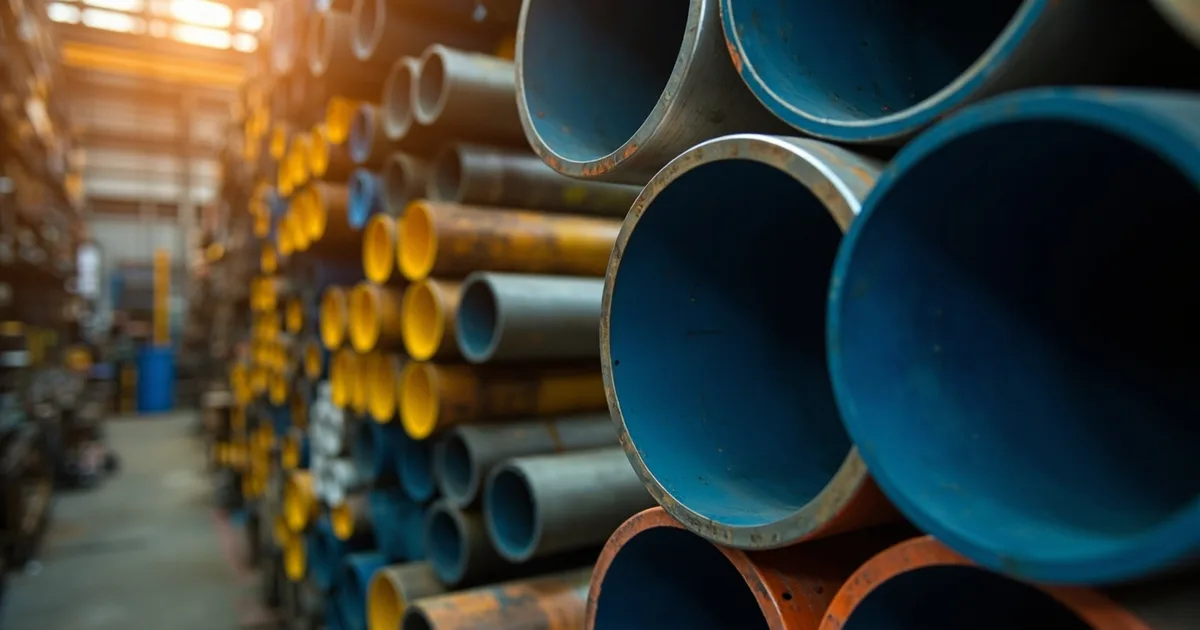

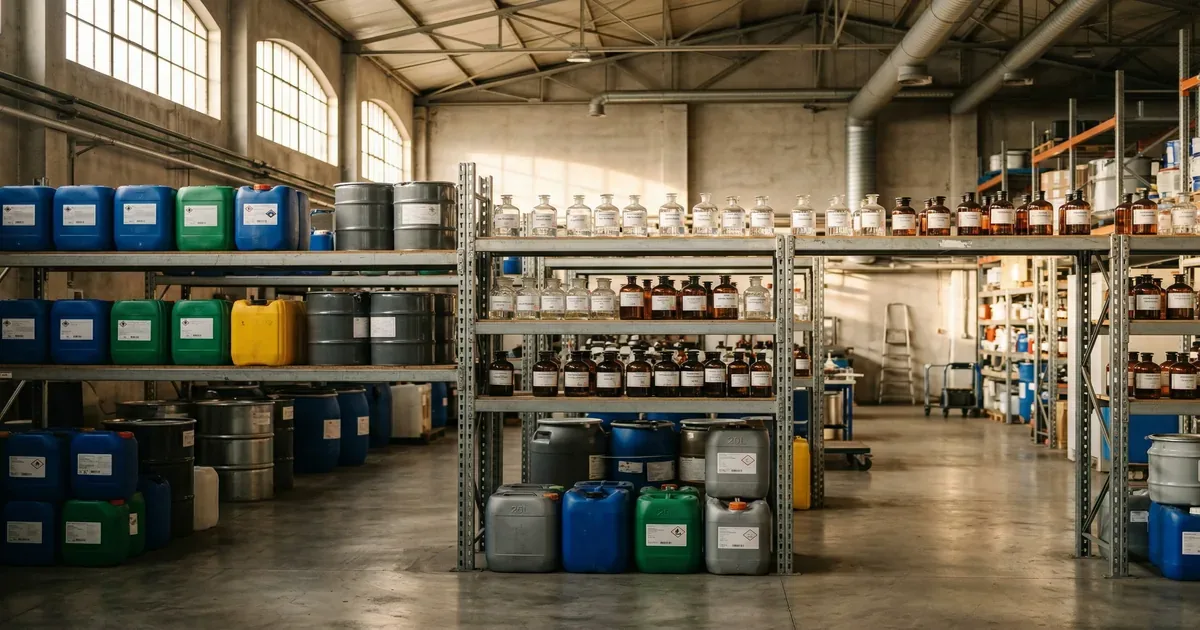
Chemicals in India are classified under Chapters 28 and 29 of the Customs Tariff Act. Chapter 28 covers inorganic chemicals: mineral acids like sulfuric acid (HSN 2807), hydrochloric acid (HSN 2806), and nitric acid (HSN 2808), as well as alkalis including sodium hydroxide or caustic soda (HSN 2815). Chapter 29 covers organic chemicals, including alcohols, aldehydes, ketones, carboxylic acids, and nitrogen compounds. Basic Customs Duty on most chemicals under these chapters is 7.5%, with IGST at 18%. One exception worth knowing: ethanol (HSN 2207 10) falls under Chapter 22 (beverages), not Chapter 29, even though it is an alcohol.
What is the HSN code for chemicals in India?
India's tariff schedule places chemicals across two chapters. Chapter 28 handles inorganic chemicals and Chapter 29 handles organic chemicals. Getting the right chapter matters because it determines which part of the tariff schedule applies to your shipment.
At the 2-digit level, Chapter 28 and Chapter 29 tell you which schedule to look up. The 4-digit heading narrows down to the chemical family - mineral acids, alkalis, alcohols, or carboxylic acids. The 8-digit sub-heading is what you actually file on the Bill of Entry. Customs queries often start here, when importers use the wrong digit-level code or file at 4-digit instead of 8-digit.
Both chapters sit under the Customs Tariff Act, maintained by CBIC, not the GST Act. The classification rules come from the General Interpret Rules (GRI), most commonly GRI 1, which means you classify by chemical composition and physical state at the time of import.
How are chemicals classified under India's customs tariff?
Chapter 28 covers inorganic chemicals with these sub-headings:
- 2801-2807: Halogens, sulfur, and mineral acids including sulfuric and hydrochloric acid
- 2808-2816: Alkalis and inorganic bases including nitric acid, caustic soda, and ammonia
- 2817-2830: Metallic oxides and salts including hydrogen peroxide
- 2831-2850: Other inorganic compounds including carbonates and phosphates
- 2850: Radioactive elements and isotopes
- 2853: Other inorganic compounds not elsewhere specified
Chapter 29 covers organic chemicals across nine groups:
- 2901-2902: Acyclic and cyclic hydrocarbons
- 2903-2904: Halogenated and nitrated derivatives of hydrocarbons
- 2905: Acyclic alcohols including methanol (ethanol is Chapter 22, not Chapter 29)
- 2906: Cyclic alcohols
- 2907-2911: Phenols, ether-alcohols, aldehydes, and ketones
- 2912-2918: Carboxylic acids including fatty acids
- 2919-2921: Phosphoric esters, esters of other inorganic acids, and amines
- 2922-2942: Other nitrogen, oxygen, and sulfur compounds
Under GRI 1, the chemical's molecular composition at the time of import determines the heading. Pure compounds take their own tariff line. Mixtures take the residual heading if no single component dominates. This matters for formulation chemicals: a mixture that is 90% methanol can still be classified differently than pure methanol.
What customs duty applies to chemical imports in India?
Most industrial chemicals imported into India attract 7.5% Basic Customs Duty (BCD) under Chapters 28 and 29. IGST applies at 18% across all chemical tariff lines. Specialty chemicals, including certain pesticides (Chapter 38), can face BCD rates up to 25%. Social Welfare Surcharge adds 10% on the BCD amount for some items.
The BCD rate on chemicals has come down over successive Union Budgets. Many were at 10% before 2018 and were reduced to 7.5%. CBIC issues notifications that update these rates, so verify the current rate for your specific 8-digit tariff line before filing.
The table below shows common chemical HSN codes and applicable duty rates.
| Chemical | HSN Code | BCD Rate | IGST Rate | Notes |
|---|---|---|---|---|
| Sulfuric acid | 2807 00 10 | 7.5% | 18% | Most common industrial acid |
| Hydrochloric acid | 2806 00 10 | 7.5% | 18% | Also called muriatic acid |
| Nitric acid | 2808 00 10 | 7.5% | 18% | Used in fertilisers and explosives |
| Sodium hydroxide (solid) | 2815 11 | 7.5% | 18% | Caustic soda |
| Sodium hydroxide (solution) | 2815 12 | 7.5% | 18% | Caustic soda in aqueous form |
| Hydrogen peroxide | 2847 00 00 | 7.5% | 18% | Also called peroxide of hydrogen |
| Methanol | 2905 11 | 7.5% | 18% | Methyl alcohol; used as solvent |
| Ethanol | 2207 10 | 5% / 7.5% | 18% | Chapter 22 (Beverages), NOT Chapter 29; industrial alcohol classification |
Source: CBIC Customs Tariff Schedule, Chapters 28 and 29 (2024-25)
What documents are required to import chemicals into India?
Importing chemicals requires more documentation than most goods because of the regulatory scrutiny this category attracts. The base requirement is a Bill of Entry filed through the ICEGATE EDI system, along with the commercial invoice and packing list.
For specialty and pharmaceutical-grade chemicals, a Certificate of Analysis (CoA) is required. Customs officers use it to verify that the imported chemical meets the grade and purity described in the invoice. An Import Export Code (IEC) from DGFT is mandatory for all importers.
Chemicals listed under DGFT's SCOMET schedule or classified as hazardous substances require an import licence from DGFT in addition to the IEC. Hazardous chemicals must be accompanied by a Safety Data Sheet (SDS) under the Hazardous Substances (Management) Rules, 1989, framed under the Environment Protection Act.
If the imported chemical will be used in pharmaceutical manufacturing or processing, a Drugs and Cosmetics Act licence is also required. Customs officers check this at the port for pharmaceutical inputs.
What are common HSN misclassification errors for chemicals?
Filing at the 4-digit level instead of 8-digit. Customs requires the full 8-digit tariff line for chemical imports. Using 2807 instead of 2807 00 10 for sulfuric acid is an incomplete classification that will trigger a customs query. The extra four digits are not optional.
Confusing Chapter 28 with Chapter 29. Sodium hydroxide (caustic soda) is an inorganic alkali, Chapter 28, HSN 2815. Ethanol (an alcohol) falls under Chapter 22 (HSN 2207), not Chapter 29. Mixed formulations that contain both inorganic and organic components need careful GRI analysis to determine which chapter applies. The mistake sounds obvious until you are looking at a formulation with four ingredients.
Not tracking CBIC notification updates. CBIC revises chemical BCD rates through customs notifications. A classification that was correct last year may reflect a rate that has since changed. The CBIC Customs Tariff Schedule is the live reference.
Treating chemical preparations as raw chemicals. Finished products like paints, adhesives, cleaning agents, and specialty coatings fall under Chapters 32 through 38, not Chapter 28 or 29. Compare with how HSN codes for cement, HSN codes for steel, and HSN codes for machinery are classified for their respective categories.
Frequently Asked Questions
What HSN chapter covers chemicals in India?
Chemicals in India fall primarily under Chapter 28 (inorganic chemicals) and Chapter 29 (organic chemicals) of the Indian Customs Tariff. Chapter 28 covers acids, alkalis, and mineral substances. Chapter 29 covers organic chemicals classified by functional group: alcohols, aldehydes, carboxylic acids, and nitrogen compounds among them. Both chapters are maintained under the Customs Tariff Act schedule by CBIC.
What is the HSN code for sulfuric acid in India?
Sulfuric acid is classified under HSN code 2807 in India. The specific 8-digit sub-heading is 2807 00 10 for sulfuric acid and 2807 00 90 for oleum (fuming sulfuric acid). Basic Customs Duty is 7.5% and IGST is 18%.
What is the HSN code for sodium hydroxide (caustic soda)?
Sodium hydroxide (caustic soda) falls under HSN code 2815 in the Indian Customs Tariff. The sub-classifications are sodium hydroxide solid (2815 11) and sodium hydroxide in aqueous solution (2815 12). Basic Customs Duty is 7.5% and IGST is 18% for both forms.
What is the import duty on chemicals in India?
Most industrial chemicals imported into India attract 7.5% Basic Customs Duty (BCD) and 18% IGST under the GST Act. Specialty chemicals including certain pesticides classified under Chapter 38 can face BCD rates up to 25%. Always verify the specific 8-digit tariff line before filing a Bill of Entry.
What documents are required to import chemicals into India?
Importing chemicals into India requires a Bill of Entry (filed via ICEGATE), commercial invoice, packing list, and for specialty chemicals a Certificate of Analysis. An IEC from DGFT is mandatory, and restricted or hazardous chemicals require a DGFT import licence. Safety Data Sheets must accompany hazardous chemicals per the Hazardous Substances (Management) Rules, 1989 under the Environment Protection Act.
Getting the 8-digit HSN code right matters for chemical importers. The wrong code triggers customs queries, duty miscalculations, and clearance delays. Eximoz checks chemical entries against the current CBIC tariff schedule and flags discrepancies before you file. Try it at eximoz.com.
Sources cited: CBIC Customs Tariff Schedule, Chapters 28 and 29; DGFT ITC-HS Classification Guide; ICEGATE Portal.