

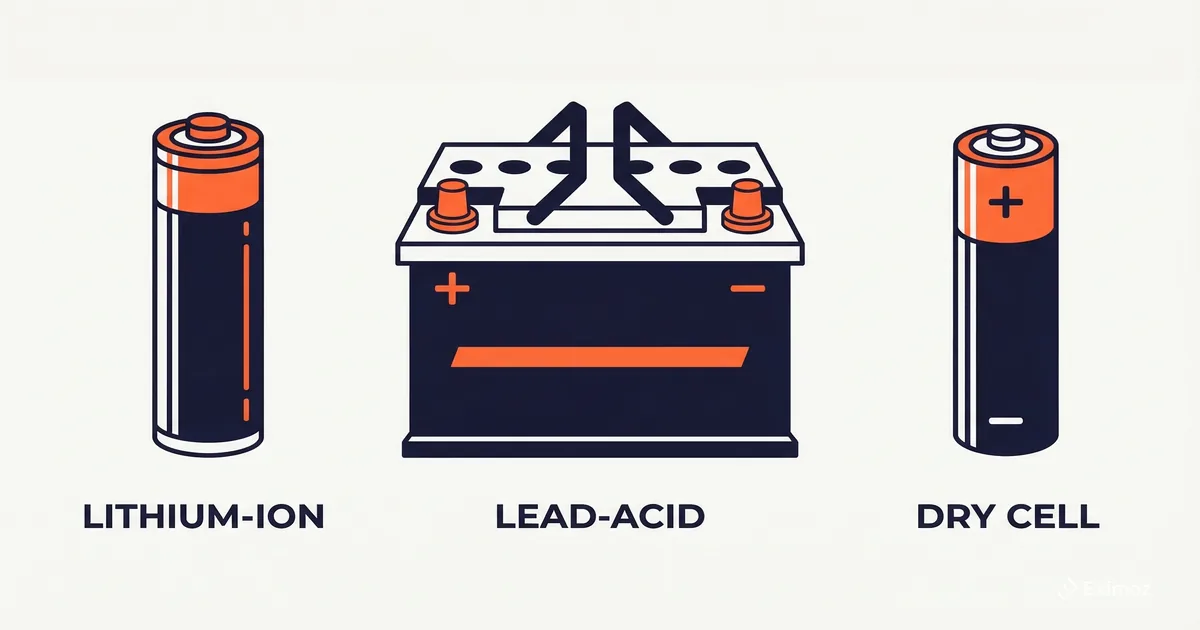
The HSN code for batteries in India is 8507 for electric accumulators (rechargeable batteries), including lithium-ion under 8507 60 and lead-acid under 8507 10. Customs duty rates range from 5% to 20% depending on battery type and end-use. Lithium-ion cells imported for EV manufacturing get a concessional 5% BCD, while assembled lithium-ion packs attract 20%. IGST is 18% across the board.
What is the HSN code for batteries in India?
All rechargeable batteries fall under heading 8507 in Chapter 85 of the Customs Tariff Act, 1975. Here's the breakdown by battery type:
-
8507 10 — Lead-acid accumulators (the kind you find in car starter batteries)
-
8507 30 — Nickel-cadmium accumulators
-
8507 50 — Nickel-metal hydride accumulators
-
8507 60 — Lithium-ion accumulators (covers both EV cells and consumer electronics batteries)
-
8507 80 — Other electric accumulators
Two things catch people out here. Non-rechargeable batteries (dry cells, alkaline cells) are not under 8507 at all. They fall under 8506. And battery chargers sit under 8504 40, a completely separate heading. Mix these up and your duty liability changes.
What is the import duty on lithium-ion batteries?
Figure 1: HSN hierarchy and duty rates for batteries in India — Chapter 85, Heading 8507
This is where it gets tricky, because the duty rate depends on whether you're importing cells or assembled packs.
Lithium-ion cells imported for EV battery manufacturing get a concessional BCD of 5% under specific customs notifications. But the concessional rate comes with conditions: you need an end-use certificate, and you must actually use the cells for EV manufacturing. It's not automatic.
Assembled lithium-ion battery packs attract BCD of 20%. That's a 15 percentage point gap between cells and packs, which makes getting the classification right worth real money.
On top of BCD, you pay:
-
IGST at 18% (calculated on assessable value + BCD)
-
Social Welfare Surcharge (SWS) at 10% on BCD
The PLI scheme for Advanced Chemistry Cell (ACC) battery storage, run by the Ministry of Heavy Industries with an outlay of ₹18,100 crore, is also changing the picture here. Domestic ACC manufacturers are getting production-linked incentives, which is gradually shifting the economics of importing vs manufacturing locally.
| Battery Type | HSN Code | GST Rate | Import BCD |
|---|---|---|---|
| Lead-acid (automotive) | 8507 10 | 18% | 15% |
| Lithium-ion cell | 8507 60 | 18% | 5% (concessional for EV) |
| Lithium-ion pack (assembled) | 8507 60 | 18% | 20% |
| Nickel-cadmium | 8507 30 | 18% | 15% |
| Dry cell (primary) | 8506 | 18% | 10% |
Duty rates as per CBIC Customs Tariff, Chapter 85. Concessional BCD for lithium-ion cells is subject to end-use conditions under applicable customs notifications.
How do I classify EV batteries vs consumer electronics batteries?
Both EV batteries and consumer electronics batteries use the same HSN heading: 8507 60 (lithium-ion accumulators). The tariff schedule doesn't separate them by application at the heading level.
The difference shows up in the duty treatment, not the classification. EV battery cells get the concessional 5% BCD, while consumer electronics batteries pay the full 20%.
To claim the concessional rate, you need to:
-
Import lithium-ion cells (not assembled packs)
-
Provide an end-use certificate confirming the cells will be used for EV battery manufacturing
-
Comply with the specific customs notification conditions
If you import the same lithium-ion cells for a laptop or phone manufacturing line, you pay 20% BCD. Same product, different end-use, different duty rate.
Here is what that looks like in practice. A manufacturer importing 10,000 lithium-ion cells at a CIF value of ₹500 per cell for EV battery assembly pays 5% BCD — that is ₹25 per cell, or ₹2.5 lakh total BCD. The same 10,000 cells imported for a consumer electronics assembly line attract 20% BCD — ₹100 per cell, or ₹10 lakh total BCD. On a single shipment, the classification difference is ₹7.5 lakh in duty alone, before IGST and SWS are added on top.
What GST rate applies to batteries?
All batteries under heading 8507 attract 18% GST. No exceptions.
This wasn't always the case. Lead-acid automotive batteries used to attract 28% GST before the GST Council's rate rationalization brought them down to 18%. If you're referencing older resources or rate tables, double-check. Many still list the old 28% rate for lead-acid batteries.
Primary (non-rechargeable) batteries under 8506 also attract 18% GST. No differential rate between battery chemistries or applications. One thing to watch: if your ERP or invoicing software was set up before the GST Council rate change, verify that lead-acid batteries are mapped to 18% and not the old 28% rate. Incorrect GST on invoices creates ITC mismatches that surface during GST reconciliation — and fixing them after the fact means revised returns and potential interest liability.
What are common misclassification errors for batteries?
Five errors come up repeatedly in battery classification:
1. Confusing 8506 with 8507. Primary (non-rechargeable) batteries go under 8506. Rechargeable accumulators go under 8507. Simple enough on paper, but in a hurry it's easy to file under the wrong heading, especially for alkaline batteries that look physically similar to rechargeable ones. For a detailed example of how sub-heading selection works in practice, see our guide on HSN codes for cement.
2. Wrong sub-heading for nickel-cadmium. Nickel-cadmium batteries are correctly classified under 8507 30. Several online tariff references incorrectly list them under 8507 20 (which covers other lead-acid accumulators). This is a copy-paste error that's spread across multiple websites.
3. Claiming concessional BCD for assembled packs. The 5% concessional BCD applies to lithium-ion cells imported for EV manufacturing. Assembled battery packs attract 20% BCD. Claiming the concessional rate for packs will get flagged at assessment and could trigger an audit.
4. Classifying battery chargers under 8507. Chargers are separate products classified under 8504 40. If you're importing batteries and chargers together, they need separate classification lines on the BoE.
5. Using outdated GST rates. Lead-acid batteries moved from 28% to 18% GST. Older ERP systems and rate tables may still carry the old rate, leading to incorrect invoice values and ITC mismatches.
Frequently asked questions
What is the HSN code for lithium-ion batteries?
Lithium-ion batteries are classified under HSN 8507 60. Within this heading, the duty treatment splits based on what you're importing and what it's for. Lithium-ion cells imported for EV manufacturing attract a concessional BCD of 5%. Finished lithium-ion battery packs (the assembled units) attract BCD of 20%.
What is the customs duty on importing batteries to India?
BCD ranges from 5% to 20% depending on battery type and end-use. EV battery cells get the lowest rate at 5% under concessional notifications (with end-use conditions). Assembled lithium-ion packs are at 20%, lead-acid at 15%, and nickel-cadmium at 15%. IGST at 18% applies on top of the assessable value plus BCD.
What is the HSN code for dry cell batteries?
Primary (non-rechargeable) batteries, including dry cells and alkaline batteries, fall under 8506, not 8507. This trips people up regularly. Heading 8507 covers only electric accumulators, meaning rechargeable batteries.
Are EV batteries eligible for concessional duty?
Yes, but only lithium-ion cells imported specifically for EV battery manufacturing. The concessional BCD rate is 5%, compared to 20% for standard lithium-ion pack imports. You need to meet end-use conditions and provide the relevant certificates under the applicable customs notification.
What is the HSN code for battery chargers?
Battery chargers are classified under 8504 40, which falls under the heading for static converters. They're not part of heading 8507 (batteries) at all. If you're importing batteries along with chargers, classify them separately.
With a 15 percentage point gap between cell and pack duty rates, getting battery classification wrong costs real money and can trigger customs scrutiny.
Battery imports getting complex with EV incentives and concessional duties? Eximoz classifies your battery products to the right HS code and flags applicable duty concessions.
Note: Duty rates and concessional notifications change periodically. Always verify against the latest CBIC Customs Tariff and applicable customs notifications before filing.