
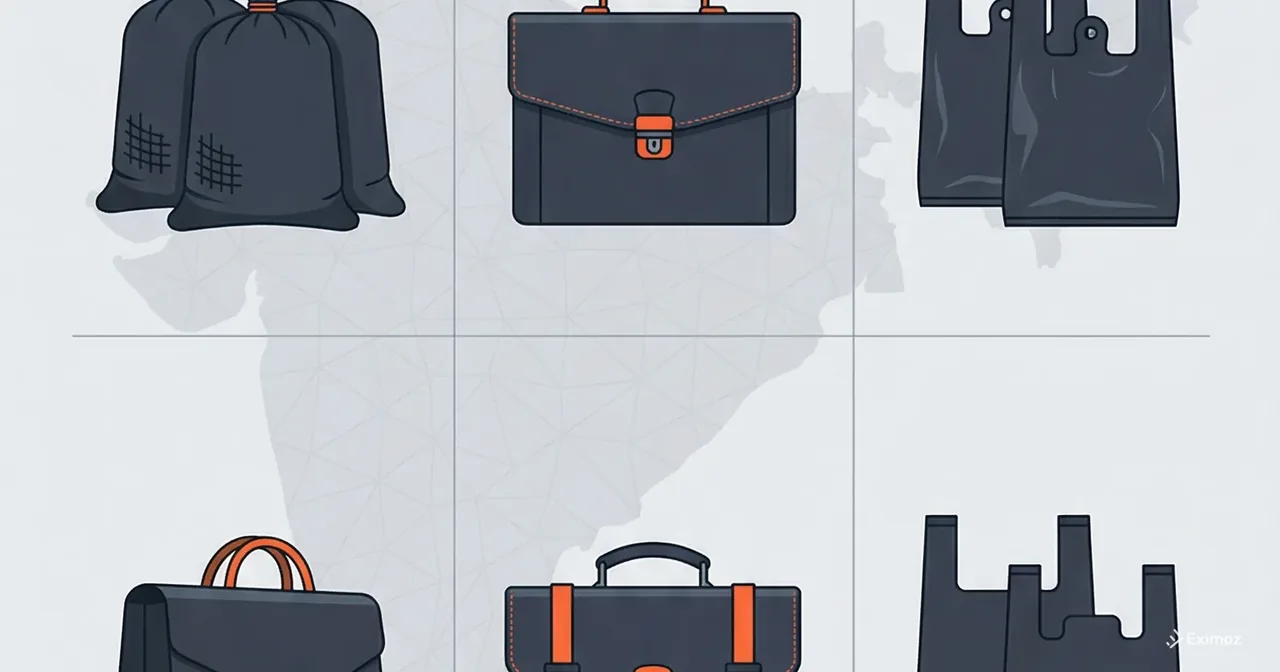
Bag HSN codes in India generally fall under Chapter 63 (textile bags), Chapter 42 (travel/leather bags), or Chapter 39 (plastic bags). The most common HSN code for packing bags is 6305, attracting a 5% or 12% GST rate depending on the material, while travel bags and handbags fall under 4202 with a 12-18% GST rate.
What is the HSN code for bags in India?
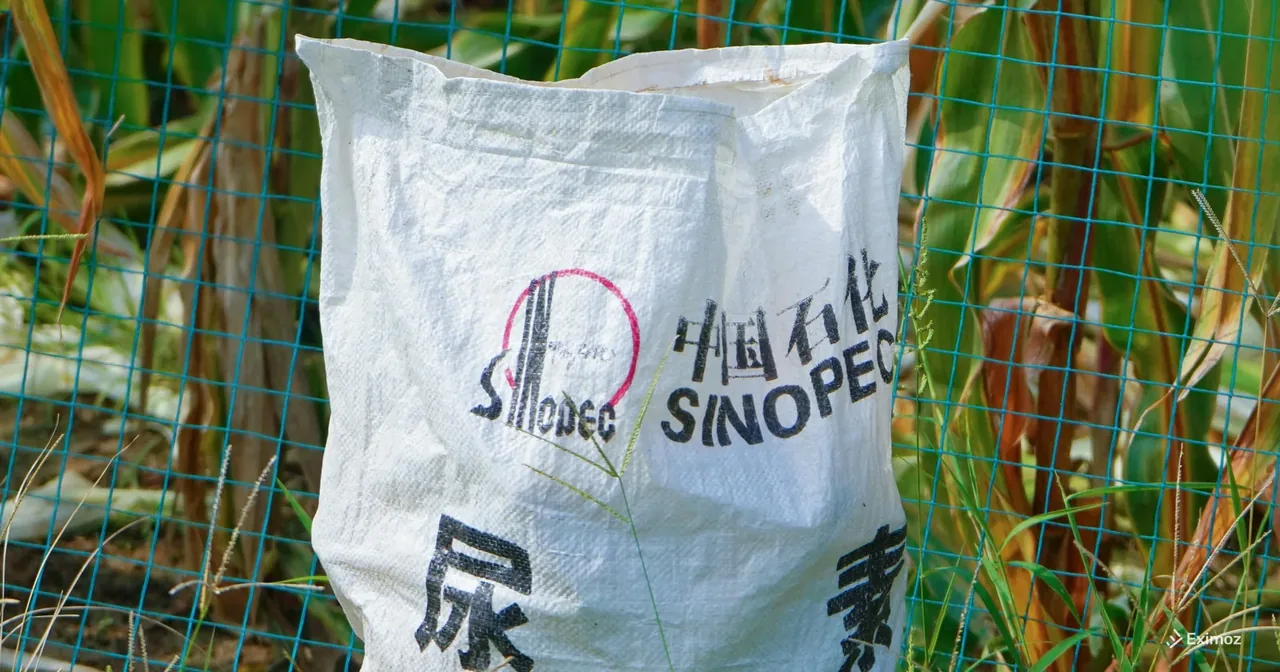
Bags do not have a single catch-all HSN code. Classification depends on both the material and the bag’s purpose. Textile packing sacks and FIBC bulk bags normally fall in Chapter 63 under heading 6305. Personal travel goods such as suitcases and handbags are covered by Chapter 42 under heading 4202. Lightweight plastic carry bags used for packing retail goods are treated as articles of plastics in Chapter 39 under heading 3923.
How does the material (cotton, jute, leather, plastic) affect the HSN code?
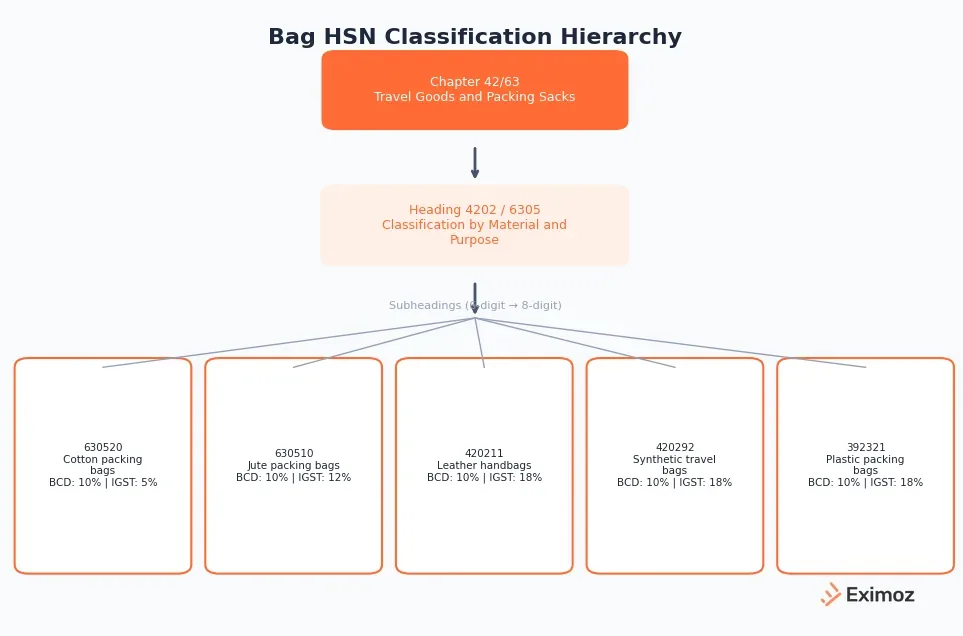
The tariff schedule assigns different headings to bags made from different materials. Use the table below as a quick reference.
| Category | HSN Code | Description | Typical GST Rate |
|---|---|---|---|
| Cotton packing bags | 63052000 | Sacks and bags, of cotton, for packing goods | 5 percent |
| Jute or other textile packing bags | 630510 | Sacks and bags, of jute or other textile bast fibres | 12 percent |
| Travel goods, handbags, leather | 420211 / 420221 | Trunks, suitcases, vanity cases, handbags with outer surface of leather or composition leather | 18 percent |
| Travel goods, synthetic materials | 420292 | Travel bags, backpacks, wallets, outer surface of plastics or textile materials | 18 percent |
| Plastic carry or packing bags | 39232100 | Sacks and bags, of polymers of ethylene | 18 percent |
What is the GST rate for different types of bags?
• Five percent: cotton sacks and bags under 63052000 when used for packing goods.
• Twelve percent: jute sacks and some textile bags under 630510 when expressly covered by the 12 percent slab notification.
• Eighteen percent: most travel goods under heading 4202, leather or synthetic handbags, backpacks, briefcases, and plastic packing bags under 39232100.
Always verify the latest rate notifications from CBIC because GST slabs can change with Council decisions.
What documents are required to import bags into India?
Importers must file a Bill of Entry on ICEGATE and attach the commercial invoice, packing list, airway bill or bill of lading, insurance, purchase order or letter of credit, and any specific certificates for materials such as a Phytosanitary Certificate for jute bags or BIS certification for certain plastic articles. A self-certified copy of the HSN classification working is often requested during assessment.
What are common misclassification errors for bags under Chapter 63 vs Chapter 42?
- Declaring woven polypropylene shopping bags under 6305 when they are designed for repeated personal use, which puts them in 4202.
- Classifying a synthetic fashion handbag under 6305 simply because it is textile, ignoring that personal carry goods belong in 4202.
- Claiming five percent GST on cotton tote bags sold at retail even though they function as personal bags, not packing sacks.
- Treating drawstring pouches supplied with shoes as packing material under 6305 when they may be considered part of the footwear retail good and should follow Chapter 42.
Frequently Asked Questions
What is the HSN code for a bag in India?
The HSN code depends on the material and usage. Textile packing bags fall under 6305, travel and handbags under 4202, and plastic bags under 3923.
What is the HSN code 4202 for bags?
HSN code 4202 covers trunks, suitcases, vanity-cases, briefcases, and handbags. These typically attract an 18% GST rate.
Does the GST rate vary depending on the bag's material?
Yes, cotton and jute bags may attract 5% or 12% GST, while leather, synthetic travel bags, and plastic bags generally attract an 18% GST rate.
What is the HSN code for cotton bags and what is the GST rate?
Cotton sacks and bags used for packing fall under HSN code 63052000 and generally attract a 5% GST rate.
How do I classify plastic bags under the HSN code system?
Plastic sacks and bags are classified under HSN code 39232100 (for polymers of ethylene) and usually attract an 18% GST rate.
Proper classification of bags saves businesses from unexpected duty hikes and penalties at the border. For teams importing or exporting large volumes of bags, Eximoz automates HSN classification, ensuring you never pay the wrong duty rate or face customs delays. Visit eximoz.com to learn more.